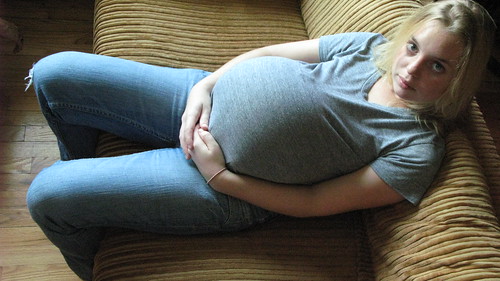
So we are now just past six weeks and our little guy is just under 12 pounds, so he is getting bigger and happier. My wife asked me to do check to see how to increase her milk supply. Here is what I found:
When do you start? If you can, start pumping within the first six hours after your baby’s birth. As soon as possible, pump at least 8-10 times every 24 hours. This is how many times each day your baby would be breastfeeding. In general, the more times each day you pump, the more milk you make. The reverse is true, too. The less you pump, the less milk you make.
Until your milk "comes in" on Day 3 or 4, pump at least 10-15 minutes per breast.
Pump at least once during the night. Don’t go longer than about 5 hours between pumpings. (Full breasts make milk slower.)
Drink plenty of water, herbal teas, and other liquids throughout the day.
Drinks that increase milk supply:
Fennel, fenugreek (in a tea or capsule form). Mother’s milk tea (Traditional Medicinals or Yogi brands). Teas made from nettles and raspberry leaf
Dark/stout beers, especially Guinness.
Amazake rice shakes in almond and hazelnut flavors (available in the refrigerated section at the Coop and Back to the Land).
The book Wise Woman Herbal recommends the following herbal infusions: comfrey, alfafa, red clover, and borage leaves.
Barley water (prepared by soaking 1/2 cup pearled barley in 3cups cold water overnight or boiling 25 minutes, then pour 1 cup boiling barley water over 1 tsp fennel seeds which you steep no longer than 30 minutes.
Foods that increase milk supply:
Helpful foods include beets, leafy greens, shrimp, oatmeal, whole grains, brown basmati rice, and black sesame seeds.
According to the book Wise Woman Herbal, other good foods include apricots, asparagus, green beans, carrots, sweet potatoes, peas, pecans, parsley, watercress, and dandelion leaves.
Things that decrease milk supply:
Mint tea – if you are an herbal tea drinker, make sure none of your tea has mint in it.
Sage
Avoid caffeine and alcohol (with the exception of dark/stout beers).
Stress/Worrying about your milk supply!
What are some other suggestions that you may have tried or have heard about?
So what are peoples thoughts about circumcision? In the hospital most nurses and doctors strongly recommended us against this. In most cases they scolded us for even thinking about it. We were more than frustrated. I have heard of a few cases where older men had to have this done and it was extremely painful and had major health implications. In the hospital they gave us very dated information that recommended against this procedure. In the last while I have heard information about why not to do this procedure but have never seen any data about health complications of males that do not have this done. Below is some reading that may help with your decision.
Opponents of non-therapeutic circumcision claim infant circumcision infringes upon the individuals bodily rights, is medically unjustified and it adversely affects sexual pleasure.[9] Circumcision advocates claim it is a worthwhile public health measure that has no substantial effects on sexual function and has a low complication rate when properly done.[10]
The American Medical Association stated in 1999: "Virtually all current policy statements from specialty societies and medical organizations do not recommend routine neonatal circumcision, and support the provision of accurate and unbiased information to parents to inform their choice."[11]
The World Health Organisation (WHO; 2007), the Joint United Nations Programme on HIV/AIDS (UNAIDS; 2007), and the Centers for Disease Control and Prevention (CDC; 2008) state that evidence indicates that male circumcision significantly reduces the risk of HIV acquisition by men during penile-vaginal sex, but also state that circumcision only provides partial protection and should not replace other interventions to prevent transmission of HIV.[12][13]
The American Medical Association defines “non-therapeutic” circumcision as the non-religious, non-ritualistic, not medically necessary, elective circumcision of male newborns. It still advocates that medical associations in the US, Australia, and Canada do not recommend the routine non-therapeutic circumcision of newborns.[36]
I got the information below from PregnancyWeekly. My wife is telling me that she is experiencing Braxton Hicks. We are now in the home stretch to see are first bundle of joy.
Braxton Hicks are intermittent contractions of the uterus that some women experience during their pregnancy. They were first described by Dr. John Braxton Hicks in 1872, an English gynecologist, and are often referred to as practice labor because they are thought to help prepare your body for the real deal.
Some women have a lot of Braxton Hicks (particularly with second or subsequent pregnancies), while others report not feeling any. They may be short, barely noticeable and infrequent; or they may last for several minutes, stop you in your tracks, and occur several times an hour. Some women experience them from early in their pregnancy through to the end, while others don�t feel any until just a couple of weeks before they go into real labor. However, most women notice Braxton Hicks contractions in the second half of their pregnancies, particularly in their third trimester. They generally last between 30 and 60 seconds and occur less than four times an hour. They often feel like a tightening of the front of your abdomen or pelvis, but you may not even know you are having one unless you place your hand on your belly and notice it�s rigid and hard.
Real labor pains are different for every woman and even with each pregnancy; however, many describe them as being a dull ache in the lower abdomen and back with pelvic pressure, or like strong menstrual or diarrhea cramps.
Many doctors and midwives believe that Braxton Hicks may help tone your uterine muscles and promote blood flow to the placenta. And although true Braxton Hicks do not have any effect on your cervix, false labor (when they occur closer to actual delivery) can actually help your cervix dilate and efface.
Certain things can trigger Braxton Hicks, such as physical activity, touching your belly, movement of the baby, having sex, dehydration, or having a full bladder. If you are experiencing a lot of contractions, try changing positions or lying down on your left side, walking, and drinking water. If the contractions persist, call your doctor.
So how do you know when they�re just Braxton Hicks and when it�s time to head to the hospital?
Braxton Hicks:
are irregular in intensity
are irregular in pattern
are infrequent
do not increase in intensity or frequency
are more uncomfortable than painful
disappear if you change positions or activity level, or drink water
Real labor pains:
increase in intensity and frequency
have a pattern to them
do not lessen or disappear if you walk, drink water, or rest
are painful
Call your doctor if your contractions progress in intensity, frequency, and regularity or if you have other signs of labor such as abdominal pain, vaginal bleeding, increased vaginal discharge, increased pelvic pressure, or low back pain.
Here is my weekly email from Pregnancy Weekly. Week 28 things are sure moving fast.
OB Visits and Fetal Monitors
Starting next week, you will probably visit your OB more frequently as he or she will be keeping a closer eye on your progress in case you go into early labor. Although your baby could survive if born today, the longer he or she stays inside you, the better. Be aware of the warning signs of preterm labor, including menstrual-like cramps; a low, dull backache; pelvic pressure; abdominal cramping; increase or change in vaginal discharge; and uterine contractions every 10 minutes or more. If you notice any of these symptoms, call your doctor immediately.
If you were tested for Rh factor earlier in your pregnancy and you don't have it (are Rh negative) but your baby does (is Rh positive), your doctor will probably give you a vaccine called Rh immune globulin this week and again after you deliver. This will help prevent potential health risks your baby faces, such as jaundice and anemia.
Your Baby: Rapid Weight Gain
Your baby weighs approximately 2.4 pounds and is a little under 15 inches from head to heel. He or she has been gaining weight steadily during the past 27 weeks as its stem cells develop into organs, blood and immune systems, and bones. However, from this point forward, your baby's weight gain will be due to increasing amounts of body fat. Your baby would have a very good chance of surviving a premature delivery; but preemies are relatively rare thanks to modern obstetrical care.
We are both sick and for me who cares but it is scary when you see your expecting wife sick (head cold, chest infection). It has been almost a week now and three visits to the doctor. Any suggestions?
Here is some information that I found about chest infections from Love Life Matters:
Chest Infection During Pregnancy?
Question
I'm 24 weeks pregnant and have a chest infection. Firstly, I'm worried that all my coughing will distress the baby – is this reasonable? Secondly, what medicines can I take that are safe to the baby, but will ease my cough and cold? I have been taking blackcurrant linctus 3-4 times a day.
Answer
Unfortunately there is no way to avoid infections in pregnancy. In fact, women are slightly more prone to infection in pregnancy than they would otherwise be.
It is normal to be concerned about the baby throughout pregnancy, and many women worry about the effects of excessive coughing. The baby is remarkably resilient and will not be affected by your cough and cold. I would not advise that you take any medicines apart from paracetamol for any fever or discomfort that you might have. Usually symptoms such as yours will last for a couple of weeks and will then begin to settle. If you are coughing up phlegm or your symptoms are not easing after this time, it would be a good idea to arrange to see your GP so that you can be examined. If there is evidence of bacterial infection a course of antibiotics may be needed, and there are several antibiotics that can be safely used in pregnancy. If this is not the case, drinking plenty of fluids and using some steam inhalation is likely to help, and over a period of weeks your symptoms will settle.
The grow must go on! No wonder you’re getting so big, you’re now housing a wonder-baby who weighs nearly a pound and measures nearly a foot in length. Their perfect little pancreas is now further developed and they’ve also started producing their own hormones! Your baby's future in the circus as a world-famous tight-rope-walker is secure: their inner ear is now developed to the point that they have their own sense of balance. Lucky for your little explorer, balance also promotes physical dexterity, which has them actively feeling out their surroundings where skin, body parts, and the resident umbilical cord are the big sensory experiences. Your foot-long baby, is looking a bit like an oversized raisin right now as more and more wrinkles are showing up each week. Not to worry, all that excessive wrinkling is just their skin’s way of planning ahead for the time when they’ll start piling on that irresistible baby chub.
And how's mom doing? Take a moment to think about this: your uterus has now stretched to such unholy proportions that it extends beyond your navel! The not-so-exciting part of this remarkable fact is that growth like this tends to leave stretch marks and can itch like nobody’s business. If it makes you feel any better, Don’t get suckered into buying really expensive creams that supposedly make stretch marks ‘magically disappear.' Stretch marks are scars on your skin and won’t disappear with a topical cream stretch marks on the belly are extremely common. Don’t get suckered into buying really expensive creams that supposedly make stretch marks ‘magically disappear.' Stretch marks are scars on your skin and won’t disappear with a topical cream . But feel free to apply all the aloe-vera (and other anti-itch lotions) to alleviate the itching. In terms of preventing their appearance, cocoa butter-based creams and creams full of Vitamin E have a reputation for helping-- but there's still no guarantee that those pesky stretch marks won't show up despite your best creaming-up efforts.
Also, your doctor may offer you a glucose screening test sometime in the upcoming weeks. The test checks for a high blood sugar condition that some women are susceptible to during pregnancy. At most, 5 percent of women actually test positive for this problem, but if you do, you will probably have a few more follow up tests to be sure. If you end up with a positive test, make a plan with your physician or nutritionist for treatment. Untreated, the high sugar content in your blood enables the overproduction of baby fat for your little one, and often results in overly high birth weight which can induce premature birth and/or the necessity to deliver via cesarean.
I hope that everyone had a great Christmas. We sure did! Wow this will be our last Christmas with just the two of us. This is truly amazing.
We had another one of our checkups today. It is always a bit scary until you hear that little heart beating away. Music to our ears. We also found out that everything is looking good from the ultrasound except that the baby is in a breech position. He told us that we do not have to be afraid of anything and that most babies turn before being born. I asked him and he indicated that if it was still breeched closer to the due time that he would perform a cesarean section (c-section).
I had heard about this before and knew it was a surgery but what does it really mean and why do babies breech. That is what I am learning about now online as I write this post.
Breech
Parenting iVillage has an article entitled, "Breech Baby: Should You be Concerned." It indicates that, "The vast majority of breech babies are fine. There are, unfortunately, increased risks of problems (abnormalities) in babies that stay breech into the last few months of pregnancy. Therefore, you have some reason to be concerned about your baby's health. Remember, an increased risk does not mean a high risk, just a higher risk than normal. Fortunately, the normal risk is low, so even an increased risk is still low.... About 30 percent or so are breech earlier in pregnancy (16 to 20 weeks), but only about 3 percent are breech at birth. Most do turn around at sometime during the pregnancy, but when they turn around is subject to chance, as far as we can tell. When we see a breech baby later in pregnancy (after 34 weeks), we talk about version. This is the process of turning the baby by pushing on your belly to get it to turn around." Click on the article name above for more information.
I got my weekly email from Baby Center. It talks about how much sleep a child need in the first 3 years at various stages. You can find a link to the article by clicking on the chart below.
We are about half away to being blessed with a newborn, do you think that these times are realistic? Any other suggestions in regards to sleep patterns?
Acupuncture and pregnancy. That is something that we have never even thought about. Have you heard anything about this? Below is a video that talks about the benefits of acupuncture during pregnancy.
The information below is from Pregnancy Weekly. They send out information each week. On the topic what have you tried to avoid or cure heartburn? I guess that we are trying to be proactive before this happens. We do have some time before the third trimester. Heartburn is a common complaint from pregnant women (especially during the third trimester) even those who have never experienced it before. Heartburn and indigestion are caused by your growing baby putting pressure on your intestines and stomach, causing the contents to be pushed back up into your esophagus. Here are some ways to quell the burn:
Eat small meals throughout the day instead of three larger meals
Eat slowly and chew well
Avoid lying down after eating
Wear loose clothing, especially around your waist, to reduce pressure on your stomach
Avoid spicy or fatty foods
Bake or broil your food instead of frying it
Avoid carbonated sodas and caffeinated beverages
If you do experience heartburn try the following natural remedies:
My wife is around 13 weeks in her pregnancy and this last week she developed a cold. She thinks that it may be bronchitis. She can not seem to shake this bug. She has been coughing, exhausted and stuffed up. Is there anything that may help her get over this except rest and eating healthy? We have also heard that she is not able to use antibiotics. Is this true?
Drink plenty of fluids, as this will help to thin secretions. Water, chicken soup, juices, and warm tea are good sources.
Use a humidifier. Place it close to your face when you sleep. During the day, you can make a tent out of a sheet draped over your head. Stay under the tent for 15 minutes, three or four times a day.
Rub a mentholated product (like Vicks Vaporub) on your chest according to package instructions.
For nasal stuffiness, use saline drops. You can buy these at drugstores or prepare a solution at home. Just dissolve 1/4 teaspoon salt in 8ounces of water. Place a few drops in each nostril, wait 5 to 10 minutes, and then gently blow your nose.
To make breathing easier, sleep in a recliner or prop up your head with lots of pillows so that you are in a semi-upright position.
Take a warm shower. This can help clear nasal stuffiness and mucus.
What does everyone think about Cord Blood Banking? I was talking to a friend and they asked me what I thought about this. I went to the Cord Blood Society of Canada website and found the following information. Cord Blood is collected after a baby is safely delivered and it contains a rich source of stem cells. These cells can be used for life-saving and regenerative applications for stem cells and new applications for stems cells are being discovered everyday. What do you think ethically or as a parent/parent to be? Do any of you know, from first hand knowledge or from others who have done this? If so, how did it work?
Living close to Alberta I also found a link to the Alberta Cord Blood Bank. You can find a great deal of information here including a pamphlet with great information.
Maybe you’ve noticed… your child is a stupendous grower! They will be gaining a substantial amount of weight this week, and have already achieved fruit-size-status comparable to a plum. Your little scientist is already starting to explore their body, focusing most intently on touching their head, and especially their face and mouth. The mouth in particular will provide them with hours of entertainment. This happens not only because your baby is gaining coordination, and is therefore able to move a hand on command, but also because their palms have gained sensation and can actually “feel” what it touches.They're also developing their swallow reflex this week. And lastly, your baby's smelling and other olfactory senses begin developing this week, which when combined with the maturing taste buds, will provide your baby with their first experiences of taste and smell.
We were both anxious to get back to our jobs after the weekend and the day started off with a beautiful morning, no wind and warm. My wife had a doctor appointment close to lunch to ensure that she could fly out east. Everything seemed to be going well until I got a call from my wife. She told me that the doctor was unable to hear the baby's heartbeat. My heart skipped a beat, I knew that I had to be able to support my wife, but I was in shock. I was sure that this news had to be negative, I thought the worst. We have had some concerns over the last two weeks as my wife had been spotting and very tired. The doctor set up an ultrasound two hours later. I started to panic...
I came home for lunch and thought I would be meeting my wife. She was not at home.. I was concerned and called her at work. She had been given more bad news but not related to the pregnancy. I went to the Internet and looked at how common it is for a doctor to not hear a heartbeat, especially after 10 weeks. For the most part what I found did not look good. A few articles indicated that the baby can shift in the uterus and a heartbeat may not be heard. When my wife finally arrived I showed her all of the good articles I found and excluded the negative ones. I thought I needed to stay positive for both of us, I am reading The Secret right now and it talks about how you have to stay positive and use the law of attraction. I started to think about the day we are blessed with a baby and holding it for the first time. I told my wife to do the same thing. This may sound corny but it did make us feel better.
The wait at the ultrasound clinic seemed to last forever. When we were taken into the room I felt tense and anxious. We did see the baby right away, then I saw it move. We then saw the heart beating on the screen. It felt like the weight had been lifted off my chest. I could see color going back into my wife's face. We then had to wait about five minutes before we were told it looked like everything was all right. Below you will see two pictures of the ultrasound. If you look close you can see arms and feet. What a relief.
After seeing our heart beat of our little gaffer, I knew that all of our other problems were really so trivial. The bad news she got earlier did not seem so bad. The gift of life far surpasses any hardships--which helps to put everything into perspective....I think our little guy/gal will be a great little hide and seeker!!
How common is it for a doctor to not be able to hear a heartbeat but an ultrasound picks it up?
In a couple of weeks my wife will be going on a trip and will be flying. We were visiting some family over the weekend and my wife started to talk about her upcoming trip. One person indicated that pregnant women should not be flying, neither one of us had heard of this before. This post will focus on information I can find on this topic.
Flying While Pregnant Indicates that healthy pregnant women before the 36th week should be able to fly but should consult their doctor. It also points out that during the first trimester flying can make morning sickness worse.
Pregnancy and Flying This is a set of questions and answers on fling and pregnancy.
I have read, in a number of places, how important it is to have a good diet during pregnancy. We have not visited a dietitian by I am interested in what a good diet would entail. I noticed that we have an eating plan on the fridge, but have not been following it at all. Below you will find two online sources of information on this topic and I then leave you with a question.
So as I have said before we are both new to the realm of being expecting parents. We had a little bit of a scare yesterday but the doctor told her she would be fine (she sure felt better when she heard a heartbeat). We were told that my wife needs to get some rest. She needs this as she has been working really hard the last while. I told here that the rest is well worth the wait. What types of complications can there be during pregnancy and what signs should we be looking for?
We are going to having our first ultrasound on Thursday. I have heard of people going but am not sure what to expect. At Wikispacesit indicates that an ultrasound looks for the following:
Date the pregnancy. Check the location of the placenta in relation to the cervix Check for the number of fetuses. Check for physical abnormalities. Assess fetal growth. Check the sex of the baby. Check for fetal movement, breathing, and heartbeat.
We were talking last week with a relative that has a newborn about finding out early the sex of our baby. She told us that she did not want to know because it gave the birth day that much more excitement. At first I thought that I wanted to know but I think I want to wait as well. At this point we believe that this is what we will be doing.
Below you will find some information on ultrasounds:
We have been discussing whether it is OK for my wife to have a bath during pregnancy. We were not sure if it was OK and have heard that the temperature can cause problems. It is important to find out as my wife has been extremely cold, especially at night. So today I decided to turn to looking to see if this was a health concern or not. This is what I found out.
This articles states that baths are very good for pregnant women but the temperature can cause problems. The temperature of the bath should not be more that 100 degrees F (roughly 38 degrees C).
Aetna InteliHealth An article at this link 'Twelve Myths About Pregnancy' by Robert H. Shmerling (MD) agrees with the information about watching the temperature of a bath. He also gives advice about:
Controlling and Predicting Gender Morning Sickness and Gender Umbilical-Cord Problems Heartburn and Hair Sleeping Position Sex and Exercise Cats X-Rays, Microwaves and Computers Bathing Weather and Labor Spicy Foods and Labor Bumps
FitPregnancy An article at this link 'Bathing Bliss' by Marla Neuman agrees with the last two sites. She states that bathing is safe as long as the temperature is equal to your body temperature and that you limit the soaks to ten minutes. It also gives suggestions to when bathing that include setting the mood, drawing the bath, bubble bath, massages and body lotion.
Do you have any other suggestions or information on the subject of bathing and pregnancy?